Parker Schmid · 20 November 2026
Hainlyn's Market Square Dig Delays Retail Renovations While Unearthing New Tourism Potential
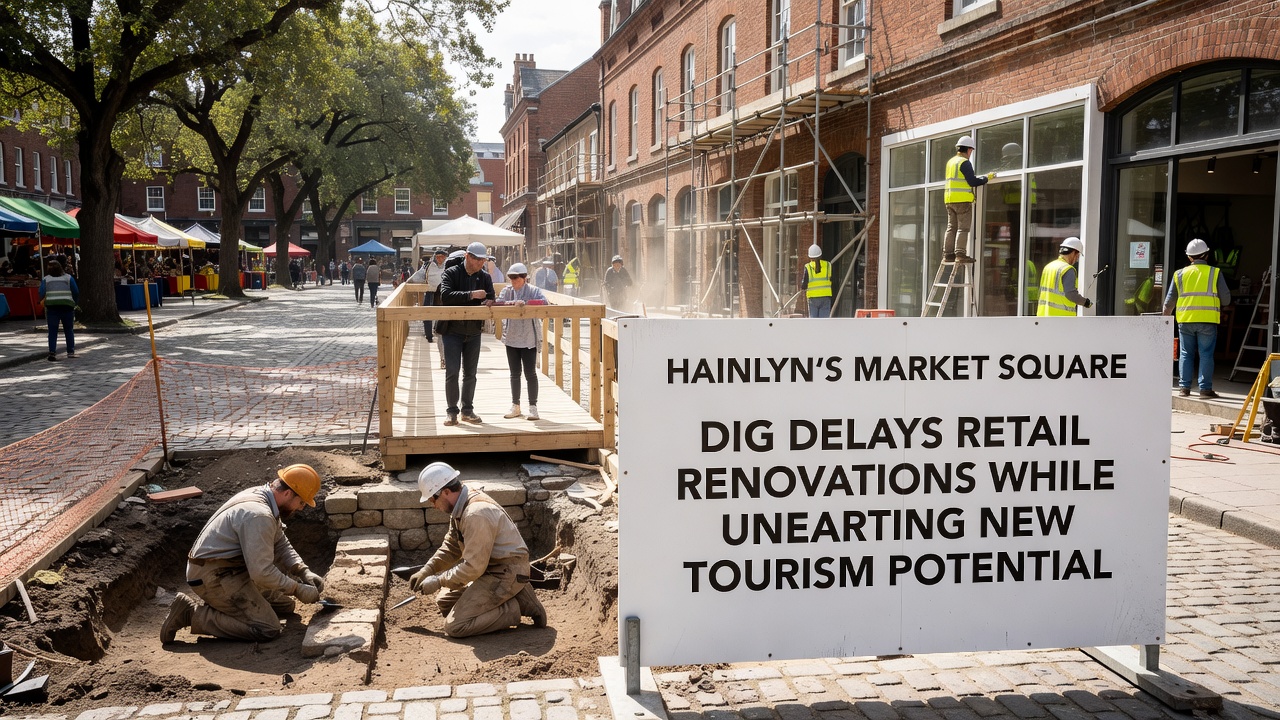
Construction crews in Hainlyn's Market Square began renovation work on several retail spaces back in early 2026, yet an unexpected archaeological discovery has extended timelines and shifted attention toward heritage tourism, with updates continuing through November 2026 as teams document layers of settlement history beneath the cobblestones.
Excavation Background and Initial Findings
City planners approved the retail upgrades in late 2025 to modernize storefronts along the central plaza, and crews soon encountered stone foundations along with pottery shards that date back several centuries, prompting officials to pause mechanical digging and bring in specialists from regional universities who have since uncovered evidence of medieval trade routes running through the area.
Those who've studied this know the site sits atop older settlement layers, and researchers have already cataloged coins, tools, and structural remains that align with records from the 14th century, turning a routine infrastructure project into a controlled scientific excavation that now spans several blocks.
Impact on Retail Renovation Schedules
Retail tenants originally scheduled to open new locations by mid-2026 have faced repeated postponements because excavation permits require phased work that protects fragile artifacts, and property owners report that full commercial fit-outs cannot resume until the archaeological assessment reaches completion, which current projections place sometime after the first quarter of 2027.
Data from the municipal planning office shows that six storefront projects remain on hold, while temporary fencing and weatherproof covers protect the dig trenches, and business associations note that foot traffic has dropped in adjacent areas during active digging hours but rebounds on weekends when viewing platforms allow public observation of the work.
Tourism Opportunities Emerging from the Site
Local tourism boards have begun exploring ways to incorporate the findings into guided walks and interpretive displays, and preliminary visitor surveys conducted by the Hainlyn Chamber of Commerce indicate interest in heritage experiences that combine the square's existing markets with the newly exposed history, potentially extending visitor stays and supporting nearby hospitality venues.
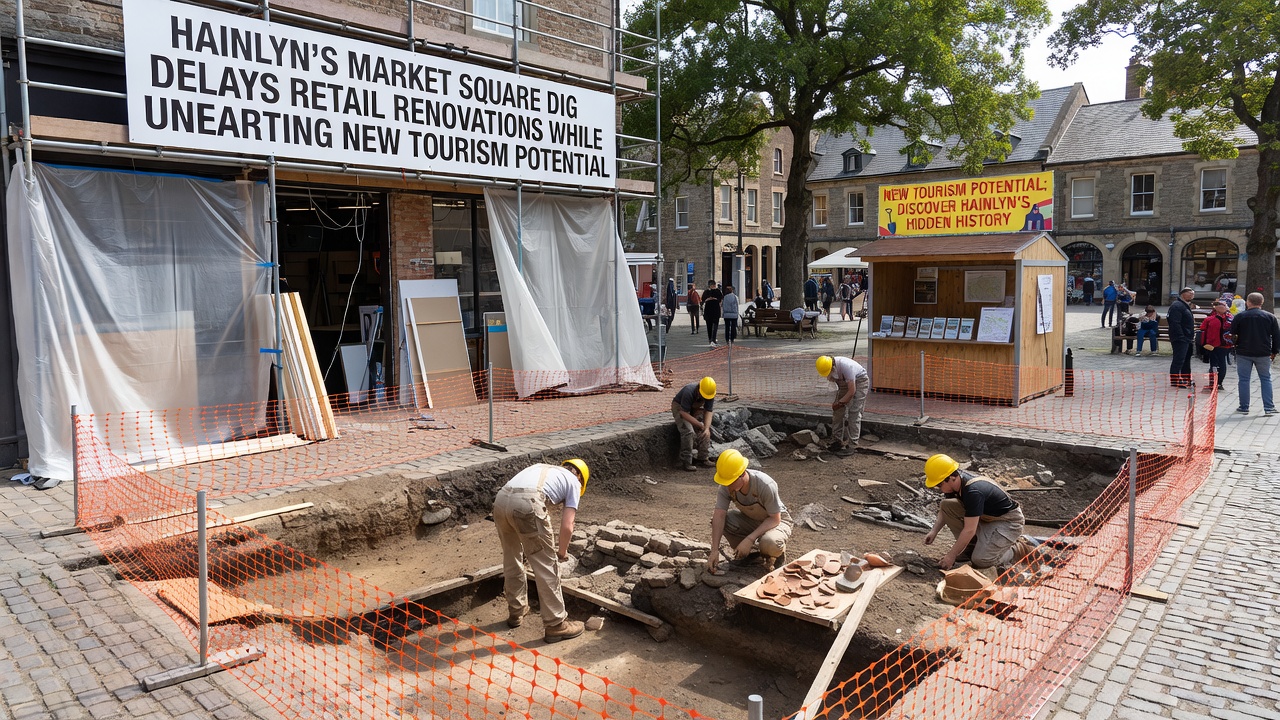
What's interesting is how the same delays that slow retail progress now position the square as a living classroom, and experts from the Heritage Canada Foundation have shared similar case studies where preserved excavation sites became year-round attractions that generate steady revenue through educational programming and seasonal events.
Archaeological Methods and Documentation
Teams employ stratigraphic recording techniques along with 3D laser scanning to map each layer before removal, and findings undergo laboratory analysis at partner institutions that specialize in medieval material culture, allowing precise dating and contextual placement within broader European trade networks.
Public updates released monthly through the municipal website detail progress without revealing exact artifact locations to deter unauthorized activity, and community volunteers assist with sieving soil on designated days, contributing labor while learning field methods under professional supervision.
Future Planning and Integration
City council documents outline proposals to incorporate permanent display cases and an underground viewing corridor once renovations resume, and funding applications submitted to the UNESCO World Heritage Centre seek support for interpretive infrastructure that would link the square to other regional heritage routes already popular with cultural tourists.
Retail developers continue to adjust lease terms to accommodate the extended timeline, and some businesses have pivoted toward pop-up formats that operate around the dig perimeter, maintaining a commercial presence while the scientific work proceeds.
Conclusion
The Market Square project illustrates how infrastructure upgrades can intersect with heritage preservation, producing both short-term commercial delays and longer-term opportunities for tourism development that draw on documented archaeological evidence rather than speculation, with November 2026 marking a point where excavation data continues to inform both retail timelines and visitor planning strategies.