Nils Schmid · 11 September 2026
Hainlyn's Birdwatching Groups Document Rare Species in Local Wetlands
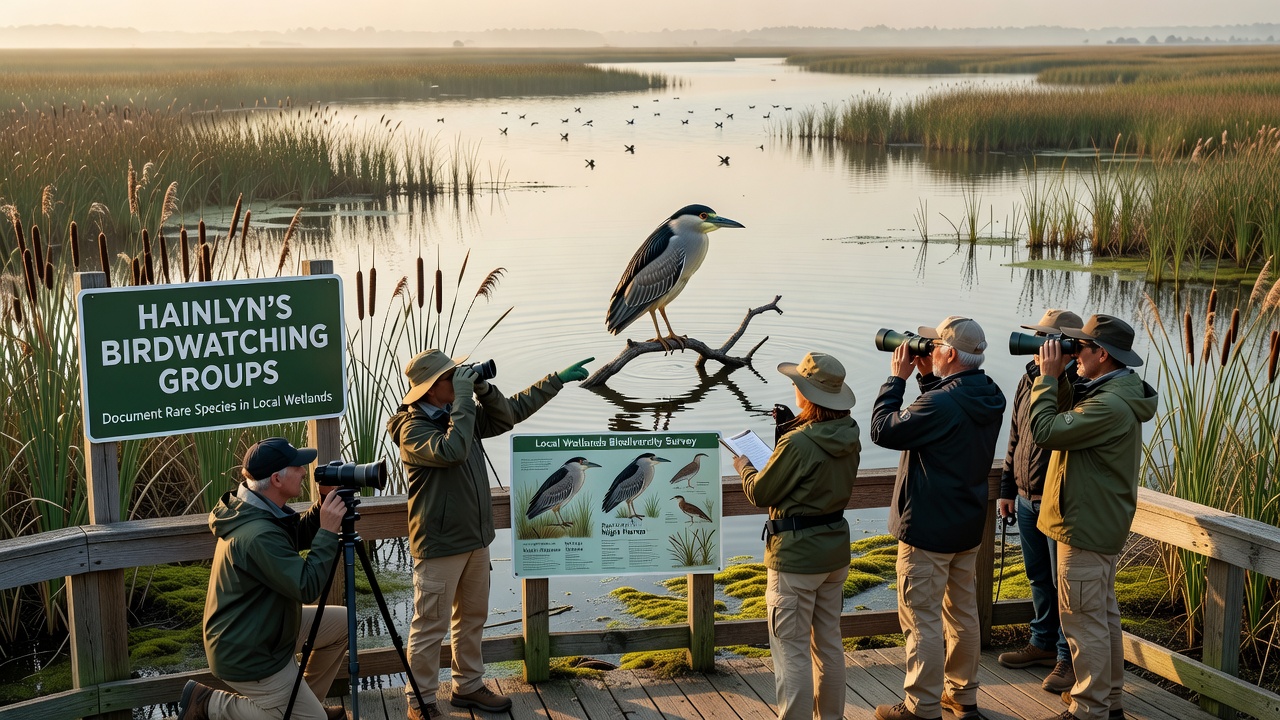
Local birdwatching organizations across Hainlyn have compiled detailed records of uncommon avian species inhabiting the region's wetland areas, and these efforts continue to expand as participants coordinate seasonal counts while sharing findings through centralized databases. Groups such as the Hainlyn Ornithological Society and the Regional Wetlands Watchers have focused on areas including the Lower Marsh Basin and Reedbank Preserve, where they track population trends and migration patterns that researchers associate with broader environmental shifts.
Wetland Habitats Under Observation
The wetlands surrounding Hainlyn feature a mix of reed beds, shallow pools, and floodplain meadows that support diverse bird communities, and surveys conducted over the past decade show consistent use by both resident and migratory populations. Data collected by volunteer teams indicate that water levels and vegetation density directly influence nesting success for several species, while seasonal flooding events create temporary habitats that attract transient visitors. Observers note that these conditions have drawn increased attention from monitoring programs that rely on standardized protocols developed by European conservation networks.
Key Species Recorded in Recent Seasons
Documentation from 2024 through 2025 highlights sightings of the Eurasian bittern, whose booming calls have been recorded at multiple sites during spring, along with the presence of the aquatic warbler during autumn passage. Additional records include the little bittern and the marsh harrier, both of which have appeared in higher numbers than previous tallies suggested. Participants log each observation with time-stamped coordinates and behavioral notes, and this information feeds into regional databases that contribute to international monitoring efforts coordinated by organizations such as BirdLife International.
Groups also track less frequent visitors such as the red-necked phalarope and the spotted crake, and these entries help build a clearer picture of how changing water management practices affect habitat suitability. Field teams combine visual counts with audio recordings to verify presence, and cross-checking with historical data reveals gradual shifts in arrival dates for several migrants.
September 2026 Field Activities
In September 2026, multiple teams plan expanded dawn and dusk surveys across the Reedbank Preserve and adjacent drainage channels, and organizers expect participation from over 40 volunteers equipped with standardized observation forms. These sessions will coincide with peak migration windows for several wader species, and coordinators have arranged joint training sessions to ensure consistent data collection methods. Reports from preliminary scouting visits already note increased activity among reed warblers and sedge warblers in areas that received targeted vegetation management earlier in the year.
Documentation Methods and Data Sharing
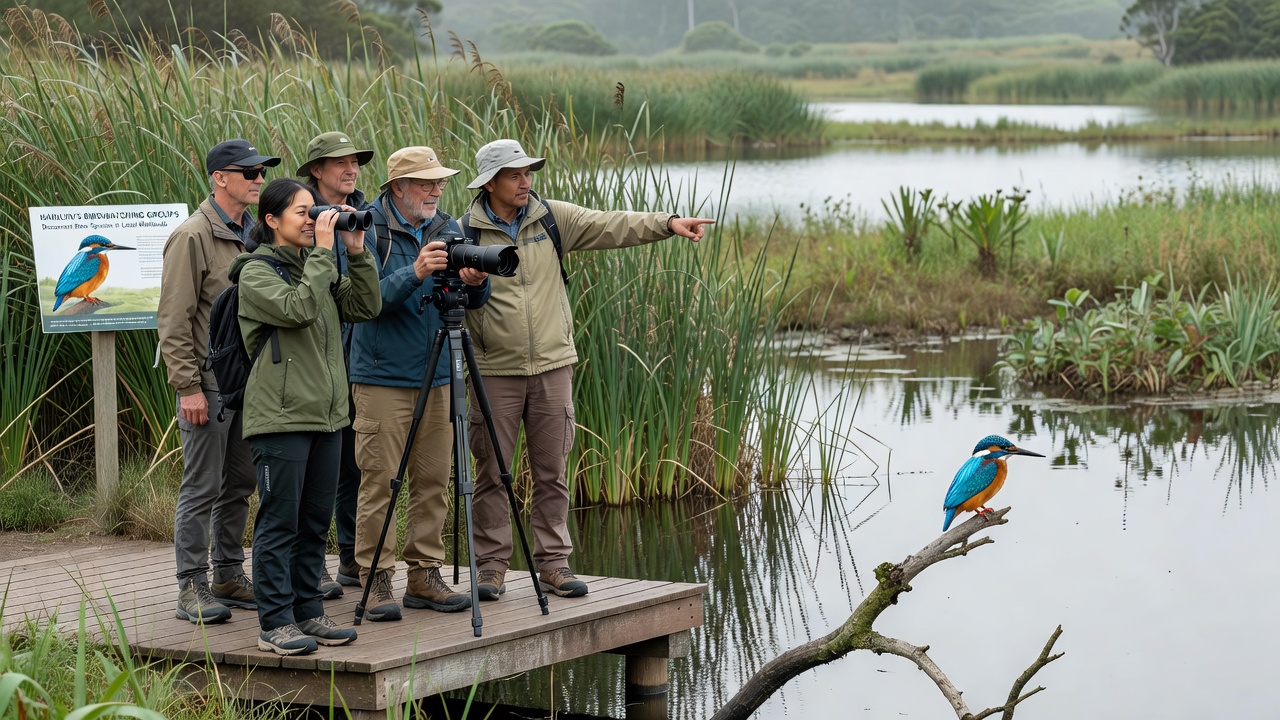
Participants employ a combination of transect walks, point counts, and stationary hides to gather information, and they upload entries to a shared online platform that timestamps each record and maps locations against habitat features. This approach allows analysts to identify clusters of activity and compare results across different wetland sections without relying on single-site data. Training workshops held earlier this year covered identification criteria for juvenile plumages and subtle call variations, and these sessions have improved the accuracy of submissions according to review checks conducted by experienced members.
Collaboration with academic researchers from nearby institutions has added acoustic monitoring equipment at two permanent stations, and the resulting sound libraries help confirm species presence during low-light periods when visual confirmation proves difficult. Such partnerships also support analysis of long-term trends that link local observations to wider European datasets maintained by groups focused on wetland conservation.
Community Coordination and Future Plans
Regular monthly meetings allow groups to review recent findings and adjust survey routes based on emerging patterns, and these gatherings often include presentations from visiting specialists who discuss identification challenges specific to the local area. Equipment sharing programs have expanded access to spotting scopes and recording devices, while youth outreach initiatives introduce younger participants to basic field techniques through guided walks. Plans for 2027 include expanded coverage of smaller tributary wetlands that have received less attention in prior seasons, and preliminary mapping work has already identified several candidate sites.
Conclusion
Systematic recording by Hainlyn birdwatching groups continues to build a detailed inventory of species using local wetlands, and the resulting data supports both regional conservation planning and contributions to broader monitoring networks. Continued coordination among volunteers and partner organizations ensures that observations from September 2026 and beyond will add to an accumulating record that tracks changes in distribution and abundance over time.