Vera Fischer · 9 October 2026
Hainlyn Libraries Roll Out Expanded Digital Literacy Programs Focused on Senior Residents
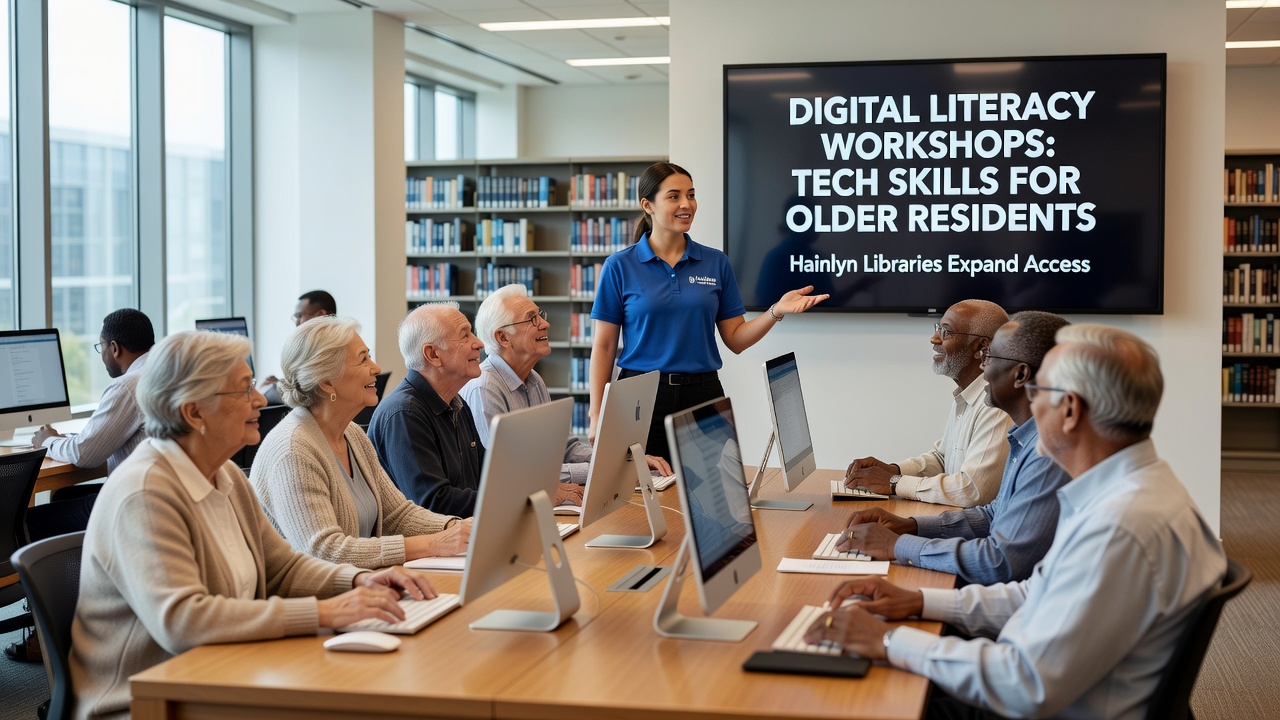
Public libraries across Hainlyn have announced an expansion of digital literacy workshops designed specifically for older residents who want to build practical tech skills, and the initiative draws on established patterns of community education that have grown steadily in recent years. The programs cover basic computer navigation, email management, online banking safety, video calling platforms, and smartphone applications that help users stay connected with family members while managing daily tasks more independently. Sessions run in multiple branches and feature small class sizes so instructors can provide one-on-one guidance when participants encounter specific challenges with new interfaces or security settings.
Data from regional library systems shows consistent demand for these offerings, with enrollment among adults over 65 rising each quarter since 2023, and staff members report that many newcomers arrive after hearing about the workshops through local senior centers or word-of-mouth referrals from previous attendees. The expanded schedule adds evening and weekend slots to accommodate retirees who maintain part-time work or caregiving responsibilities, while also introducing specialized modules on telehealth portals and digital government services that require secure logins and document uploads. Organizers coordinate with volunteer tech mentors who bring experience from earlier careers in IT or education, creating a support network that extends beyond the formal class hours through optional follow-up drop-in hours.
Workshop Structure and Content Delivery
Each workshop series lasts six weeks and meets twice weekly for ninety-minute sessions that combine short demonstrations with extended hands-on practice periods, allowing participants to repeat tasks until they feel comfortable before moving to the next topic. Curriculum materials include printed handouts with large fonts and step-by-step screenshots, plus access to practice accounts that let users experiment without risking personal data. Libraries equip dedicated computer labs with adjustable chairs, larger monitors, and simplified keyboards that reduce strain for those with arthritis or vision limitations, and staff adjust lighting levels to minimize glare on screens during afternoon classes.
One program track focuses on tablet and smartphone use because many seniors prefer portable devices they can carry between home and community spaces, whereas another track emphasizes desktop computers for tasks that benefit from bigger displays and full-size keyboards. Participants learn to recognize phishing attempts, create strong passwords, and use two-factor authentication, skills that researchers at the OECD have linked to reduced fraud exposure among older internet users across member countries. Instructors incorporate real-world examples drawn from common scenarios such as setting up direct deposit for pension payments or scheduling virtual medical appointments, and they update lesson plans regularly to reflect changes in popular apps or operating system updates.
Partnerships and Resource Allocation
Library administrators secured additional funding through municipal grants and private donations that cover new equipment purchases, instructor stipends, and marketing materials distributed at community events, and they collaborate with nearby community colleges to recruit student volunteers who earn service hours while assisting during lab sessions. These partnerships allow the program to scale without straining existing staff capacity, while also introducing younger helpers who gain experience explaining technical concepts in plain language. Attendance records indicate strong retention rates once participants complete the first two sessions, suggesting that initial exposure builds enough confidence to sustain engagement through the full series.
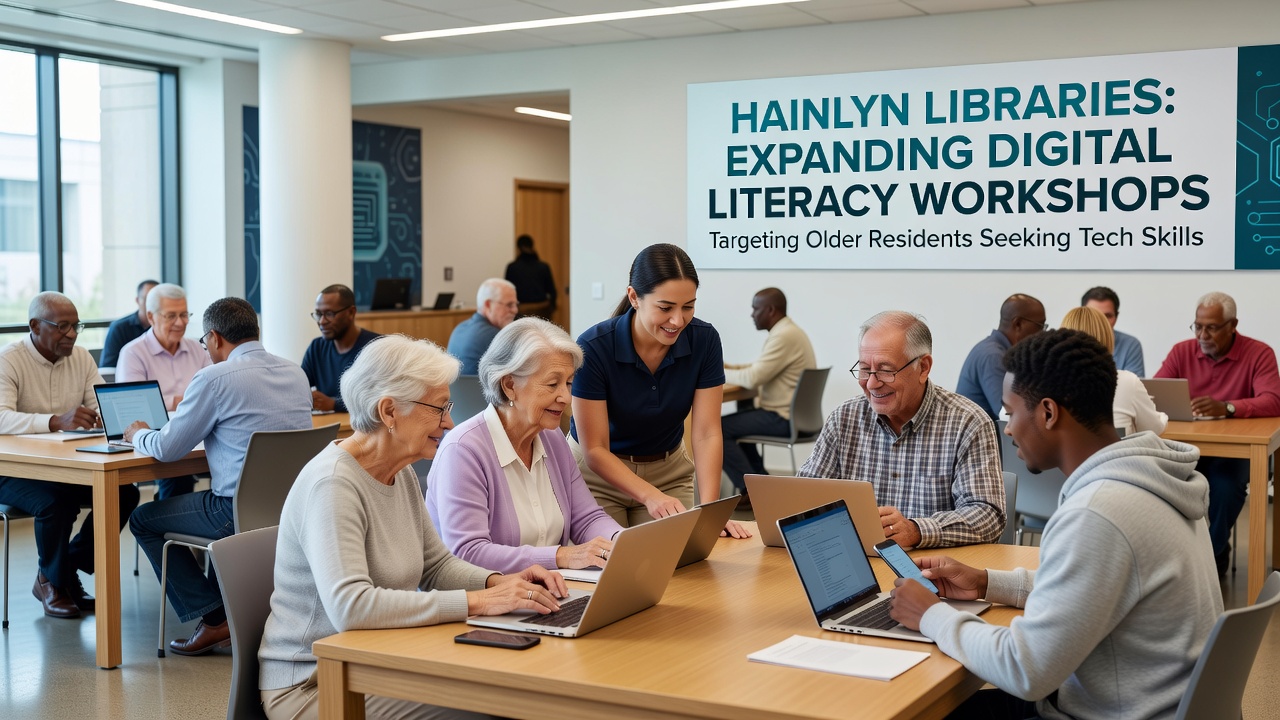
October 2026 marks the start of the largest rollout yet, with seven additional branches joining the network and offering simultaneous sessions that accommodate up to 280 participants per cycle. Pre-registration occurs through the library website and in-person at service desks, and staff maintain waiting lists that help gauge demand for future expansions. Evaluation forms collected at the end of each series track self-reported improvements in comfort levels with technology, and aggregate results feed into annual reports that library boards use when planning budget allocations for the following year.
Community Reach and Observed Patterns
Residents who complete the workshops often return as peer supporters who help neighbors troubleshoot minor issues at home, creating informal knowledge-sharing networks that extend the reach of formal instruction. Library staff note that these graduates frequently request advanced follow-up sessions on topics such as photo editing or social media privacy settings, prompting the addition of elective modules that run after the core curriculum ends. Transportation remains a noted barrier for some older adults living in outlying areas, so several branches coordinate with local transit services to offer subsidized rides on workshop days, while others explore hybrid options that stream recorded demonstrations for those unable to attend in person.
Statistics Canada reports that internet adoption among Canadians aged 65 and older increased from 62 percent in 2018 to 84 percent by 2024, yet many in this group still seek guided support when adopting new tools or protecting accounts from security threats. Hainlyn libraries reference similar national trends when designing outreach that targets specific neighborhoods with higher concentrations of retirees, and they adjust promotional flyers to include large-print versions and multilingual translations where census data indicates diverse language needs. The approach aligns with broader efforts documented by the European Commission to close digital divides through public institutions that already serve as trusted community hubs.
Conclusion
Expansion of these workshops reflects ongoing investment in accessible education that equips older residents with tools to navigate an increasingly digital environment, and continued monitoring of enrollment data plus participant feedback will guide refinements in future cycles. Libraries maintain open channels for suggestions on new topics or format adjustments, ensuring the programs remain responsive to the actual needs expressed by the community they serve.