Rosa Meier · 6 November 2026
Hainlyn Beekeepers Association Unveils Expanded Urban Hive Network for Neighborhood Pollinators
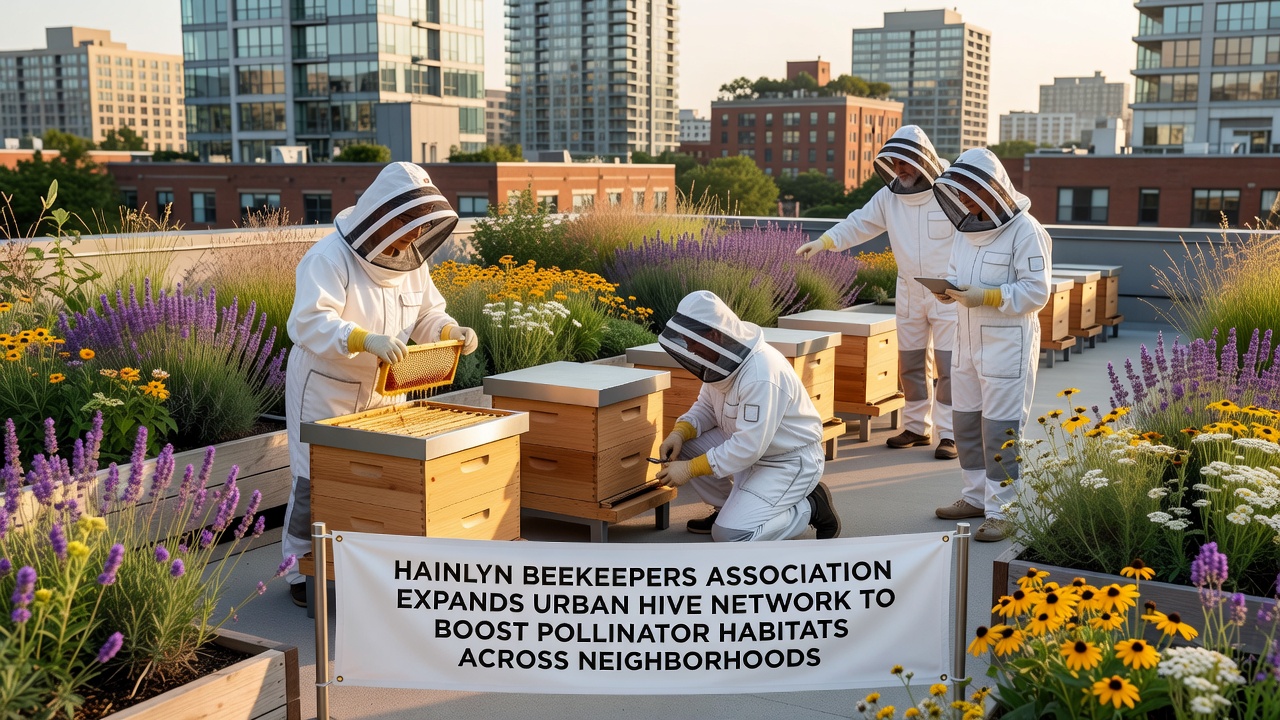
The Hainlyn Beekeepers Association has launched an expanded urban hive network designed to increase pollinator habitats throughout residential areas, with new installations scheduled to begin in November 2026 across multiple neighborhoods. Association records show the project adds 45 additional hives to the existing 30 already maintained in community gardens and parks, bringing the total to 75 active sites by early 2027. Data collected from previous seasons indicates each hive supports an average of 40,000 bees during peak summer months, and local mapping efforts have identified underused green spaces suitable for placement without conflicting with existing land use.
Project Scope and Timeline
Planning documents from the association outline a phased rollout that starts with site preparation in October 2026 followed by hive placement and bee introductions in November, while community volunteers receive training on monitoring and maintenance. The initiative targets zones where flowering plants already exist along streets and in backyard plots, and coordinators have coordinated with property owners to secure access permissions. Figures from similar programs in other cities reveal that urban hives placed near diverse plantings can increase local pollinator visits by up to 30 percent within two growing seasons, and the Hainlyn group has adapted those methods to fit local conditions.
Habitat Improvements and Plant Partnerships
Alongside the hive additions, the association has partnered with neighborhood gardening groups to introduce more than 2,000 native flowering plants chosen for bloom timing that extends from early spring through late fall. These plantings complement the hives by providing consistent nectar and pollen sources, and mapping software used by volunteers tracks which species attract the highest bee activity. Research from the U.S. Department of Agriculture shows that combining managed hives with targeted native vegetation supports broader insect diversity, and Hainlyn coordinators have incorporated those findings into site selection criteria.
Equipment upgrades form another part of the expansion, with new insulated hive boxes and remote temperature sensors installed at all locations to help track colony health during winter months. Volunteers log readings weekly through a shared digital platform, and the data feeds into annual reports that compare survival rates across different neighborhood microclimates. Past seasons demonstrated that hives in sunnier south-facing spots maintained higher internal temperatures, and the new sensor network will allow more precise adjustments in future placements.
Community Involvement and Training
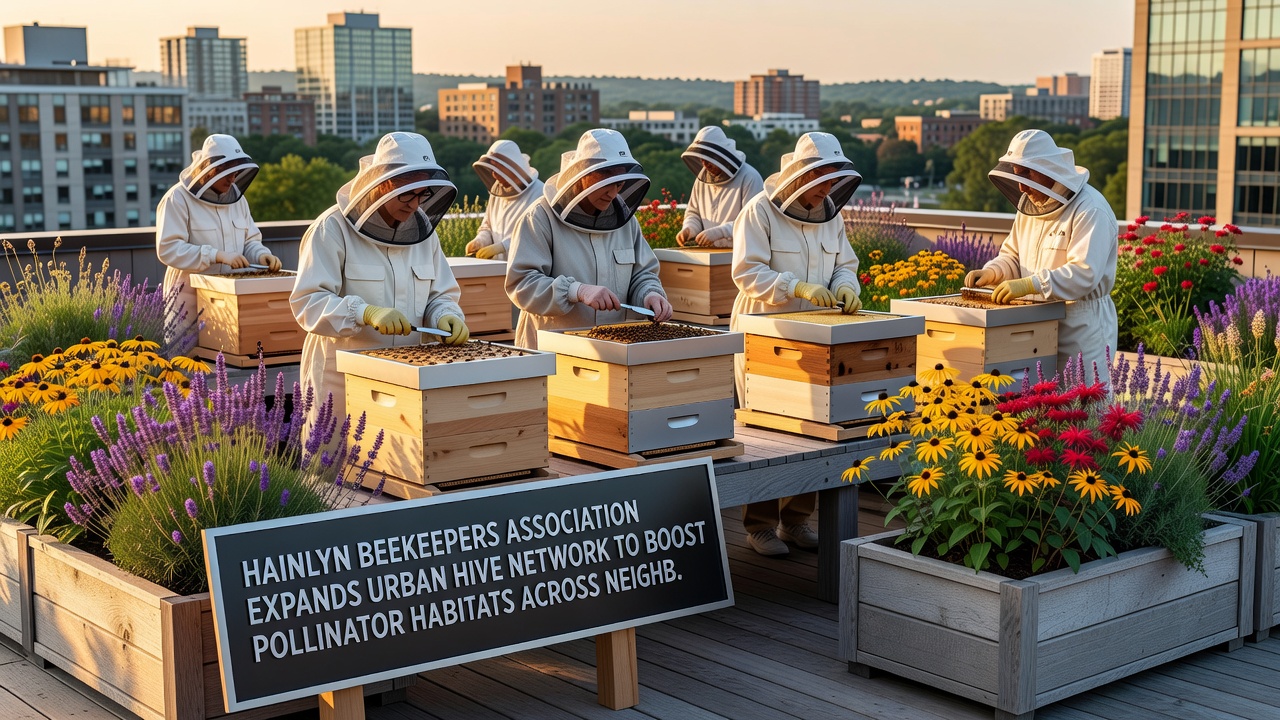
Public workshops scheduled for late 2026 will cover basic beekeeping skills, hive inspection techniques, and safety protocols, with sessions open to residents who live near proposed hive sites. Attendance records from earlier events show steady growth in participation, and association leaders have added evening sessions to accommodate working schedules. Educational materials distributed at these sessions include local plant lists and seasonal calendars that align with Hainlyn's climate patterns, helping participants recognize which flowers provide the strongest support for bees.
Monitoring protocols require each hive to receive checks every two weeks during active months, with results recorded in standardized forms that track brood patterns, food stores, and any signs of disease. The association maintains a central database that compiles these observations, and yearly summaries compare outcomes against regional benchmarks published by agricultural research stations. One neighborhood that hosted an earlier pilot hive reported measurable increases in vegetable garden yields the following season, and coordinators plan to collect similar observations from the new sites.
Environmental Monitoring and Data Collection
Environmental data collection extends beyond the hives themselves, with volunteers also recording temperature, rainfall, and wind patterns at each location using simple weather stations. These measurements help explain variations in colony performance and feed into broader studies on how urban microclimates affect pollinators. According to findings from the European Environment Agency, such localized monitoring improves understanding of habitat needs in densely built areas, and the Hainlyn project applies comparable methods.
Funding for the expansion comes from a combination of municipal grants, private donations, and proceeds from honey sales at community markets. Budget breakdowns indicate that approximately 60 percent of costs cover equipment and plants, while the remainder supports training and record-keeping systems. The association maintains transparent accounting and publishes quarterly updates that detail expenditures and progress against milestones.
Conclusion
The expanded network positions Hainlyn to contribute measurable habitat gains for pollinators while providing residents with direct involvement opportunities. Ongoing data collection will determine long-term outcomes, and the structured approach allows adjustments based on what the records show each season. Association reports emphasize that success depends on consistent maintenance and community participation, both of which have grown steadily in prior years.